Monthly Rent, Management Fees, and Labor Costs: How Card Payment Services Are Changing the Way Koreans Manage Cash Flow
Managing recurring expenses like monthly rent, building management fees, and staff wages has long meant one thing for most people and business owners in Korea: a steady drain on cash reserves. But a growing number of payment delegation services now let you handle all of these obligations with a credit or debit card, giving you breathing room between when a payment is due and when money actually leaves your account. This article breaks down how each of these card payment options works, who benefits most, and what to watch out for before signing up.
What Is a Payment Delegation Service?
A payment delegation service acts as a financial intermediary. Instead of transferring cash directly to a landlord, building management office, or worker, you pay the service provider using your credit card. The service then forwards the actual funds to the recipient on your behalf. The key advantage is timing: your credit card billing cycle gives you days or even weeks of float that a direct bank transfer simply does not offer. This model has become especially popular among small business owners and self-employed individuals who need to stretch limited working capital across multiple obligations at once.
Monthly Rent Payments by Card
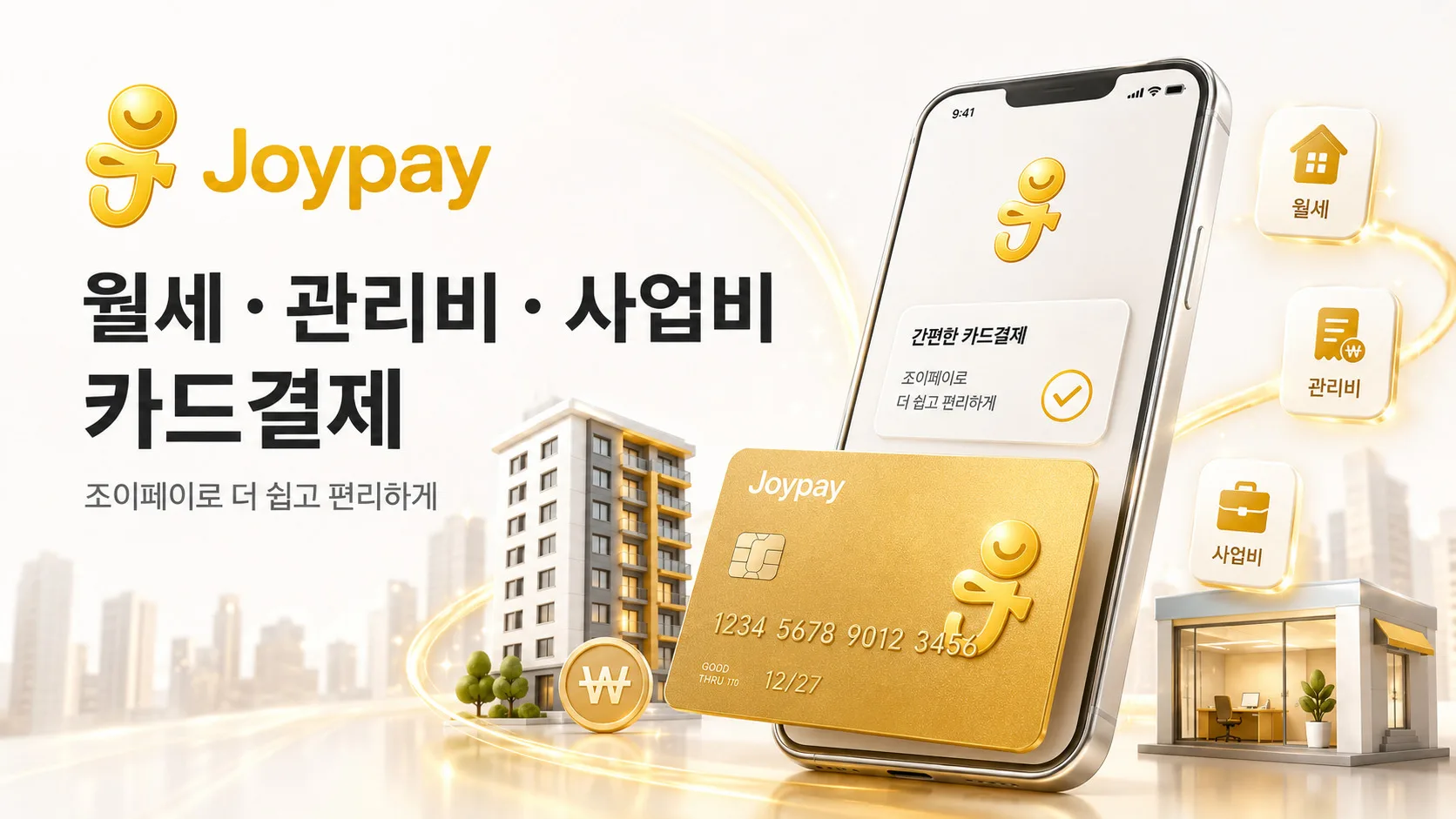
Traditionally, monthly rent in Korea is settled through a direct bank transfer on a fixed date each month. Missing that date, even by a single day, can strain relationships with landlords and sometimes trigger penalty clauses. Card-based rent payment services solve this by letting tenants charge their rent to a credit card. The service collects the card payment from the tenant and wires the equivalent amount to the landlord, who receives cash as usual and never needs to change anything on their end. Tenants benefit from card reward points, mileage accumulation, and the ability to defer the actual cash outflow until their card statement is due.
Who Uses Rent Card Payment Most?
- Freelancers and sole proprietors with irregular monthly income who need payment flexibility
- Tenants who want to accumulate credit card points or airline mileage on a large recurring expense
- New business owners managing multiple upfront costs during the early months of operation
Management Fee Payments by Card
Apartment complexes, officetel buildings, and commercial properties all charge monthly management fees that cover services like cleaning, security, elevator maintenance, and utilities. These fees are typically billed separately from rent and must be paid to the building management office, often by a strict monthly deadline. Using 관리비카드결제 through a delegation platform means residents and tenants can settle these bills with a credit or debit card rather than a bank transfer, keeping cash available for other priorities while still meeting their obligations on time.
Labor Cost Payments by Card
For business operators, one of the most significant cash flow challenges is covering wages, part-time staff pay, and service contractor fees on a regular cycle. Labor cost card payment services allow employers to charge these amounts to a business credit card. The platform pays the workers directly, and the employer repays the platform according to the card billing schedule. This effectively converts a fixed, immediate cash obligation into a short-term deferred payment, which can be critical during slow sales periods or when receivables are delayed.
Comparing the Three Main Card Payment Categories
| Payment Type | Who Pays | Who Receives | Primary Benefit |
|---|---|---|---|
| Monthly Rent | Tenant or lessee | Landlord or property owner | Cash flow flexibility and reward points |
| Management Fees | Resident or occupant | Building management office | Convenient billing and deferred payment |
| Labor Costs | Business owner or employer | Staff, part-timers, or contractors | Smoothing payroll during cash shortfalls |
Things to Consider Before Using These Services
Card payment delegation services are genuinely useful, but they are not free. Most platforms charge a service fee, typically calculated as a percentage of the transaction amount. Before enrolling, compare the fee against the value of any card rewards you expect to earn, and factor in the cost of any interest charges if you carry a card balance. It is also worth confirming that the platform is properly registered and compliant with Korean financial regulations, as the market includes both reputable operators and less transparent ones. Reading user reviews and checking for transparent fee disclosures are simple but effective steps.
How to Get Started
Most platforms offering these services operate through mobile apps or web portals. The registration process typically involves verifying your identity, linking a credit or debit card, and providing the recipient’s bank account details. Once set up, payments can usually be scheduled in advance so you never miss a deadline. Some services also provide digital receipts and transaction histories that can be useful for personal budgeting or business accounting purposes.
Whether you are a tenant looking to stop worrying about cash on hand at the end of each month, a building resident who wants a more flexible way to handle recurring fees, or a business owner trying to keep payroll running smoothly during a tight quarter, card-based payment services offer a practical middle ground between rigid cash obligations and the flexibility that modern financial life often demands. Taking time to compare platforms and understand the full cost structure will help you get the most out of whichever service you choose.